How Greenville’s Clay Soil Impacts Sewer Lines and Why Trenchless Repair Is the Smarter Fix
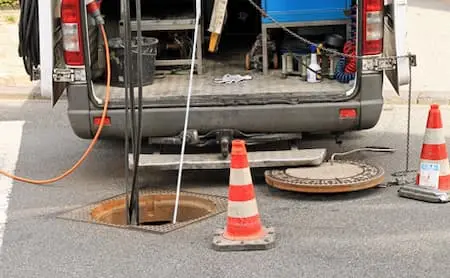
Homeowners in Greenville often take pride in their property, from well-kept lawns to thoughtfully designed outdoor spaces. What many do not realize, however, is that the ground beneath those homes plays a major role in the health of their plumbing system. Greenville’s clay-heavy soil creates unique challenges for underground sewer lines, and over time, those conditions can lead to costly, disruptive issues.
Understanding how this soil behaves and how it impacts your pipes can help you make better decisions when problems arise. It also highlights why trenchless drain repair has become such a valuable solution for homeowners dealing with sewer line damage in this area.
The Nature of Greenville’s Clay Soil
Clay soil is very different from sandy or loamy soil types. It is dense, tightly packed, and highly reactive to moisture. This means it expands when it absorbs water and contracts when it dries out. While this movement may seem minor on the surface, it creates constant pressure shifts underground.
In Greenville, seasonal weather patterns can intensify this cycle. Periods of heavy rain cause the soil to swell, while dry spells lead to shrinkage. Over time, this repeated expansion and contraction places stress on anything buried beneath the surface, including sewer lines.
Unlike more stable soil types, clay offers little flexibility. Pipes installed in this environment are often subjected to uneven pressure from multiple directions, which can lead to gradual wear or sudden damage.
How Soil Movement Damages Sewer Lines
The movement of clay soil affects sewer lines in several ways, and these issues often develop slowly before becoming noticeable.
One of the most common problems is cracking. As the soil expands, it pushes against the pipe. When it contracts, it can leave gaps that cause the pipe to shift or settle unevenly. This repeated stress weakens the material, eventually leading to fractures.
Misalignment is another frequent issue. Sections of pipe can shift out of place as the surrounding soil moves. Even a slight offset can disrupt wastewater flow, leading to clogs and backups.
In some cases, pressure from expanding soil can cause pipes to collapse entirely, especially if they are older or made of materials such as clay or cast iron. Tree roots may also take advantage of small cracks, growing into the pipe and making the problem worse over time.
Warning Signs of Soil-Related Sewer Damage
Because these issues develop underground, they are not always immediately visible. However, there are several signs that may indicate your sewer line is being affected by soil movement.
Slow drains throughout the home can point to a developing blockage or misalignment in the main line. Frequent backups, especially in lower-level fixtures, are another red flag.
You might also notice patches of unusually lush grass in your yard. This can occur when wastewater leaks from a cracked pipe and fertilizes the surrounding soil. In more severe cases, you may detect unpleasant odors or even see soggy areas forming above the damaged section.
If you experience any of these issues, it is important to have your sewer line inspected before the problem escalates.
Why Traditional Repairs Can Make the Problem Worse
Traditional sewer repair methods typically involve digging a trench along the length of the damaged pipe. While this approach allows for direct access, it comes with several drawbacks, especially in areas with unstable clay soil.
Excavation disrupts the already sensitive ground, which can lead to further shifting after the repair is completed. This increases the risk of future problems, even if the initial issue is resolved.
In addition, digging can damage landscaping, driveways, and other structures on your property. For homeowners who have invested time and money into their outdoor spaces, this can be a major concern.
The process is also time-consuming and labor-intensive, often requiring several days to complete. During that time, your yard may be left in disarray, and access to your plumbing system may be limited.
How Trenchless Repair Works
Trenchless sewer repair offers a modern alternative that addresses many of the challenges associated with clay soil. Instead of digging up the entire line, this method uses small access points to repair or replace the pipe from within.
Two of the most common trenchless techniques are pipe lining and pipe bursting.
Pipe lining involves inserting a flexible, resin-coated liner into the existing pipe. Once in place, the liner is inflated and cured, creating a new, durable pipe within the old one. This process seals cracks and restores proper flow without removing the original pipe.
Pipe bursting, on the other hand, involves breaking apart the damaged pipe while simultaneously pulling a new pipe into its place. This method is often used when the existing line is too compromised for lining.
Why Trenchless Solutions Are Ideal for Greenville Properties
Given Greenville’s clay soil, trenchless repair offers several advantages that make it a smart choice for homeowners.
First, it limits ground disturbance. By avoiding large-scale digging, trenchless methods help maintain the stability of the surrounding soil. This reduces the likelihood of future shifting that could affect the new pipe.
Second, it preserves your property. Lawns, gardens, and hardscapes remain largely intact, which is especially important for homes with established landscaping.
Third, trenchless repairs are typically faster to complete. In many cases, the work can be finished in a day or two, allowing you to return to normal use of your plumbing system much sooner.
Finally, the materials used in trenchless repairs are designed to be durable and resistant to common issues like root intrusion and corrosion. This provides long-term reliability, even in challenging soil conditions.
Both techniques minimize disruption to the surrounding soil and reduce the need for extensive excavation.
Long-Term Benefits of Addressing Soil-Related Issues Early
Ignoring sewer line problems caused by soil movement can lead to more extensive damage over time. Small cracks can grow larger, misalignments can worsen, and minor leaks can develop into major failures.
By addressing these issues early with a trenchless solution, you can avoid more costly repairs in the future. You also reduce the risk of damage to your home’s foundation, landscaping, and surrounding property.
Working with an experienced provider like Epoxy Pipe Restorations of the Southeast ensures that your sewer line is properly assessed and repaired using methods that are well-suited to Greenville’s unique conditions. Their team understands how local soil affects underground systems and can recommend the most effective solution for your situation.
Protecting Your Sewer Line Moving Forward
While trenchless repair offers a strong solution, ongoing maintenance is still important. Regular inspections can help identify potential issues before they become serious. Being mindful of what goes down your drains and managing tree growth near sewer lines can also reduce the risk of damage.
In areas with clay soil, it is especially important to monitor changes in drainage around your property. Proper grading and water management can help minimize soil movement and protect your underground infrastructure.
A Smarter Approach for Greenville Homeowners
Greenville’s clay-heavy soil presents unique challenges for sewer lines, but it also underscores the value of modern repair solutions. Trenchless methods provide an effective way to address damage without the drawbacks of traditional excavation.
By choosing a minimally disruptive approach, homeowners can protect their property, maintain soil stability, and ensure their plumbing system continues to function reliably. When sewer issues arise, understanding the role of local soil conditions and selecting the right repair method can make all the difference.