Why Some Commercial and Residential Projects Benefit More From Epoxy Spray Coating While Others Require Traditional Brush Application Methods
Epoxy flooring systems have become a popular solution for both residential and commercial surfaces due to their durability, chemical resistance, and long-lasting protective finish. However, not all epoxy applications are created equal. Choosing between epoxy spray coating and traditional brush application methods can significantly impact the final appearance, performance, and lifespan of the coated surface.
In Greenville and surrounding regions, property owners are increasingly weighing these two methods when planning garage floors, industrial spaces, warehouses, basements, and even outdoor concrete surfaces. While both application types use similar epoxy materials, the way they are applied changes everything from thickness and texture to adhesion and overall durability.
Understanding the differences between these two methods helps homeowners, contractors, and facility managers choose the right approach for their specific project needs.
Understanding Epoxy Coating Systems
Epoxy coatings are made from a combination of resin and hardener that chemically react to form a rigid plastic-like surface. Once cured, epoxy creates a strong, protective layer over concrete that resists stains, chemicals, abrasion, and moisture.
This makes epoxy an ideal solution for:
- Garage floors
- Industrial warehouses
- Commercial kitchens
- Retail spaces
- Basements
- Manufacturing facilities
However, the application method determines how well the epoxy performs in each environment.
Two of the most common methods are spray and brush/roller applications.
What Is Epoxy Spray Coating?
An epoxy spray coating system involves applying epoxy using specialized spray equipment that atomizes the material and distributes it evenly across the surface. This method allows for fast application, smooth finishes, and consistent coverage over large areas.
Spray coating is often used in commercial and industrial environments where efficiency and uniformity are essential.
Key Characteristics of Spray Application
- Fast coverage over large surfaces
- Smooth, even finish
- Minimal visible brush marks or roller lines
- Excellent for thin to medium coatings
- Requires professional equipment and setup
Because of its speed and efficiency, spray application is often preferred in large-scale commercial projects.
What Is Traditional Brush or Roller Epoxy Application?
Traditional application methods involve using brushes or rollers to manually apply epoxy to the surface. This method has been used for decades and remains popular for smaller projects or areas that require greater precision.
Brush and roller applications are typically more labor-intensive but allow for greater control over thickness and placement.
Key Characteristics of Brush/Roller Application
- Greater control over coating thickness
- Better for small or detailed areas
- Ideal for edge work and corners
- Can build thicker coatings in layers
- Slower application process
This method is often chosen for residential garages, basements, and detailed repair work.
Coverage and Efficiency Differences
One of the most noticeable differences between these two methods is coverage efficiency.
Spray Coating Efficiency
Because spray systems atomize epoxy into fine particles, they can cover large surfaces quickly and evenly. This makes epoxy spray coating highly efficient for:
- Warehouses
- Large retail floors
- Manufacturing plants
- Commercial garages
The speed of application reduces labor costs and downtime, which is a major advantage for business operations.
Brush Application Efficiency
Brush and roller methods take significantly longer because the material must be spread by hand across the surface. However, this slower pace allows for more attention to detail and better control in tight or complex spaces.
While not as fast, this method is often preferred when precision matters more than speed.
Thickness and Durability Comparison
Another key difference between the two methods is coating thickness and durability.
Spray Coatings: Thin but Even
Spray-applied epoxy tends to create thinner, more uniform layers. While this provides a smooth finish, it may require multiple coats for heavy-duty environments.
However, because the coating is so even, it reduces weak spots and inconsistencies that can lead to premature wear.
Brush/Roller Coatings: Thicker and Stronger in Layers
Brush application allows for thicker epoxy layers, especially when multiple coats are applied. This can be beneficial in environments where heavy machinery, foot traffic, or chemical exposure is expected.
In many industrial settings, thicker coatings provide better long-term resistance to impact and abrasion.
Surface Finish and Appearance
Appearance is often a deciding factor for homeowners and businesses alike.
Spray Application Finish
Spray application typically produces a smooth, professional, almost factory-like finish. It is ideal for:
- Showrooms
- Retail spaces
- Decorative flooring systems
- High-end residential garages
- Because the coating is atomized, it leaves fewer visible application marks.
Brush Application Finish
Brush and roller coatings often exhibit subtle texture lines, especially if not applied carefully. While this may not matter in industrial settings, it can be less desirable in decorative environments.
However, textured finishes can also improve slip resistance, which may be beneficial in certain areas.
Where Each Method Performs Best
Choosing between spray and brush application depends heavily on the environment and intended use.
Best Uses for Epoxy Spray Coating
- Large commercial floors
- Industrial facilities
- Warehouses with open layouts
- Projects requiring fast turnaround times
- Uniform aesthetic finishes
Spray systems are especially useful when time efficiency is critical and large surface areas need consistent coverage.
Best Uses for Brush/Roller Application
- Residential garages
- Basements and small spaces
- Edge detailing and repairs
- Heavy-duty floors require a thick buildup
- DIY-friendly or controlled projects
Brush application remains the preferred choice for smaller, more detailed, or structurally demanding projects.
Cost Considerations
Cost is another important factor when comparing application methods.
Spray Coating Costs
Spray application may require specialized equipment and trained technicians, increasing upfront costs. However, it often reduces labor time, which can balance out overall project expenses for large jobs.
Brush Application Costs
Brush and roller systems typically require less specialized equipment but more labor hours. For small projects, this method can be more cost-effective, but for large surfaces, labor costs can add up quickly.
Environmental and Job Site Factors
Environmental conditions also play a role in determining the best application method.
Spray Coating Sensitivity
Spray systems require controlled environments to prevent overspray, dust contamination, or uneven curing. Wind, humidity, and temperature can all affect results.
Brush and roller methods are more adaptable to varying conditions and confined spaces. They are often preferred in occupied buildings or partially completed construction sites.
Maintenance and Longevity
Both application methods can provide long-lasting protection when installed correctly, but maintenance needs may vary.
Spray coatings may require earlier reapplication in high-wear environments if applied too thinly. Brush-applied coatings, when properly layered, may offer longer wear resistance in heavy-use industrial settings.
Regardless of method, proper surface preparation is the most important factor in ensuring long-term performance.
Additional Industry Applications
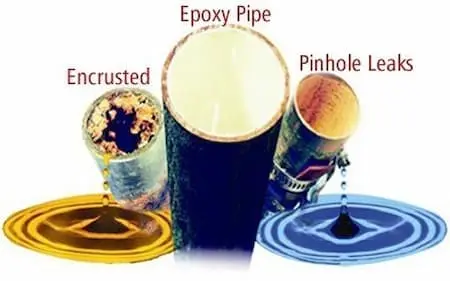
Epoxy coatings are also used in more specialized infrastructure projects. In some cases, contractors working on utility or infrastructure systems—such as Greenville trenchless plumbing—may encounter epoxy lining systems used to reinforce pipes and underground structures.
This demonstrates how epoxy technology extends far beyond flooring into broader construction and repair applications.
Choosing the Right Method for Your Project
The decision between spray and brush application ultimately depends on:
- Size of the project
- Desired finish
- Budget constraints
- Environmental conditions
- Required durability level
Neither method is universally better—they simply serve different purposes. Spray systems excel in speed and uniformity, while brush application provides thickness, control, and versatility.
Consulting with an experienced contractor ensures the correct method is selected based on performance expectations and site conditions.
Final Thoughts
Epoxy flooring systems remain one of the most reliable solutions for protecting and enhancing concrete surfaces in both residential and commercial environments. Understanding the strengths and limitations of each application method helps property owners make informed decisions that improve long-term results and reduce maintenance costs.
Whether prioritizing speed, durability, appearance, or precision, choosing between spray and brush application is critical to project success.
For expert guidance on Greenville epoxy spray coating projects and professional support for heat pump repairs again, contact Epoxy Pipe Restorations of the Southeast today to ensure your surfaces and systems are built to perform and last.